
Long-sightedness (hyperopia) is a common eye condition in which nearby objects appear blurry while distant objects can be seen clearly.
If you often find your eyes feeling tired and struggle to focus on things up close, you may be long-sighted.
Causes
An eye works like a camera. Light is focused onto the back of the eye (a place called the retina), which gives you clear vision. When you are long-sighted, the light isn’t focused correctly and falls behind the retina instead.
- One cause may be that your eyeballs are shorter than normal. This means the retina sits closer to the pupil, so light lands beyond it. A normal eye is typically around 23 mm in length; a long-sighted eye is shorter.
- Another possibility is that you may be long-sighted if you have a flat cornea. The cornea needs to be curved to direct light onto the retina.
Both factors cause long-sightedness because they result in light landing beyond the retina. As a result, you have blurry vision, which can affect your daily life.
Long-sightedness in children
Long-sightedness is often hereditary. Babies and young children can be long-sighted, but this should resolve itself as their eyeballs grow in length during development. However, a lazy eye could develop because the brain ignores the weaker eye and fails to learn to see properly through it. If this problem isn’t corrected at an early age, there’s a risk that the weaker eye may never see as well as the other.
Treatments for long-sightedness
If you think you may be long-sighted, see your optician who can diagnose it with an eye test and issue a prescription if needed.
If an optician has diagnosed you with long-sightedness, there are three solutions:
Glasses

If you are long-sighted, this can be corrected by wearing positive spherical lenses. These help the light entering the eye to focus on the correct area of the retina, making your vision clearer.
Contact lenses
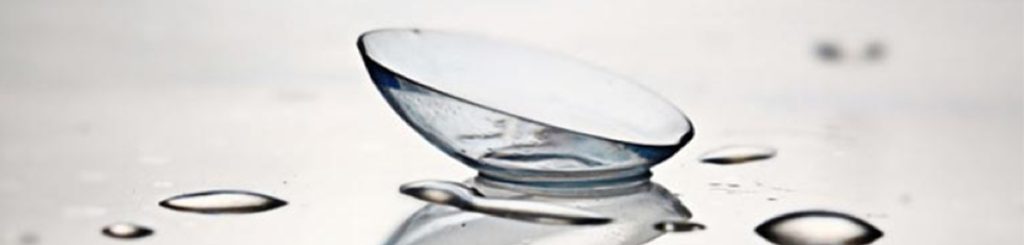
Contact lenses are another option, though you’ll still need a pair of glasses as a backup for times when you can’t wear lenses — these will also have positive spherical lenses to refract light onto the retina. The prescription may differ from your glasses prescription. Various types of contact lenses are available, such as daily or monthly disposables. Speak to your optician to determine which option best suits your lifestyle.
Laser surgery
Laser surgery offers the opportunity to correct your vision. However, while it can address existing sight problems, it cannot prevent changes to your vision that may occur in the future.