
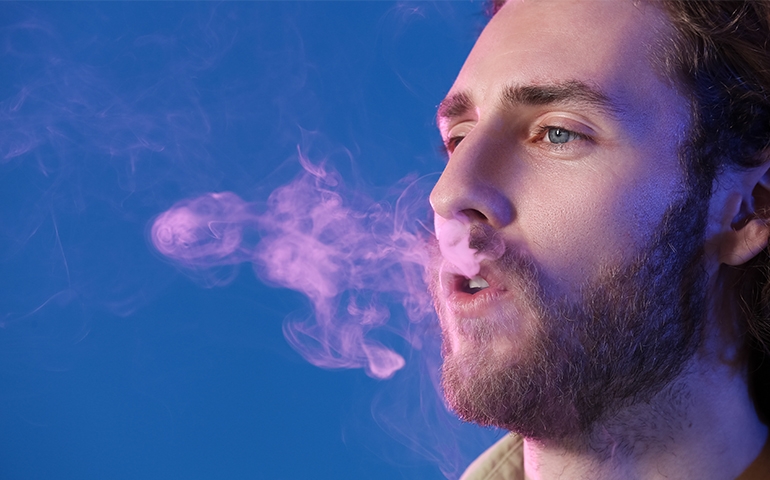
We all know the dangers that smoking poses to the lungs, throat and heart, but its effects on the eyes are far less talked about. In serious cases, smoking-related eye disease can even lead to complete vision loss.
When inhaled, the toxins in cigarettes, e-cigarettes and other tobacco products can enter the bloodstream and reach the smoker’s cells throughout the body. These toxic chemicals can cause a wide range of eye problems — from dry eye and nerve damage to more serious conditions such as cataracts and age-related macular degeneration (AMD). In fact, according to the CDC, smokers are two to three times more likely to develop cataracts and twice as likely to develop AMD compared to non-smokers.
What eye problems can smoking cause?
To better understand the damage that tobacco can do to our eyes, here are some of the most common vision problems that can affect smokers.
Dry Eye Syndrome
Any type of smoke in the air can irritate the eyes, and because smokers are frequently exposed to smoke, they are more likely to suffer from dry eye. Contact lens wearers are considered particularly susceptible to developing Dry Eye Syndrome, as exhaling smoke and toxins near the eyes can affect their ability to properly lubricate lenses and the eye surface. While eye drops can help relieve tobacco-related dry eye, the best solution is to stop smoking altogether.
Optic nerve damage
The optic nerve transmits visual information from the eye to the brain, but smoking reduces blood circulation to these microscopic nerves, causing vascular damage that can lead to blindness. A long-term study also found that heavy smokers are more likely to have more severe cases of glaucoma than non-smokers.
Cataracts
The most common cause of vision loss, cataracts form when the clear lens of the eye becomes cloudy. This cloudiness blocks light from reaching the retina, causing blurred vision that requires surgery to correct. Smoking increases the risk of cataracts by approximately three times compared to non-smokers. Learn more about other potential causes and treatments of cataracts here.
Age-related macular degeneration (AMD)
Smoking may be the single biggest contributor to early-onset AMD. Studies have shown that smoking can accelerate AMD progression by up to 10 years in smokers compared to non-smokers. When AMD develops, the cells in the eye’s macula begin to deteriorate, resulting in blurred central vision, washed-out colours and irreversible vision loss.
Eye discolouration
Cigarette smoke and tobacco can also affect the external appearance of the eye. Because the skin tissue around the eyes is more sensitive, it can become inflamed or puffy more easily, which can cause redness or yellowing around the eyes — and even a yellowish tint to the sclera (the white of the eye).
In addition to this direct reaction, nicotine also disrupts sleep patterns, which can lead to poor sleep quality and dark circles under the eyes.

Will quitting smoking improve my vision problems?
Quitting smoking will not reverse optic nerve damage or macular damage already caused by the habit, but it will help slow the progression of any existing problems and reduce further damage to your vision. It may take time to undo the harm done by years of tobacco use, but stopping and allowing your eyes to heal gradually will benefit your long-term eye health.
Protect your vision — quit smoking to protect your eyes
If you smoke, the best way to protect your long-term vision is to quit entirely — though this can be very difficult given the addictive nature of nicotine. If that is not immediately possible, the next best option is to cut down on the number of cigarettes you smoke or the time you spend smoking.
Alongside reducing tobacco use, other healthy habits that can help protect your eyes from disease and vision loss include:
- Eating a healthy diet rich in antioxidants
- Taking regular exercise and staying active
- Keeping cholesterol levels and blood pressure within healthy ranges
- Protecting your eyes from harmful UV rays with sunglasses that offer UV protection
- Scheduling regular eye examinations
If you want to stop smoking or need help taking the first step, please speak to your GP for professional advice. The HSE also offers a range of stop smoking supports to help you start your journey towards a tobacco-free lifestyle.