
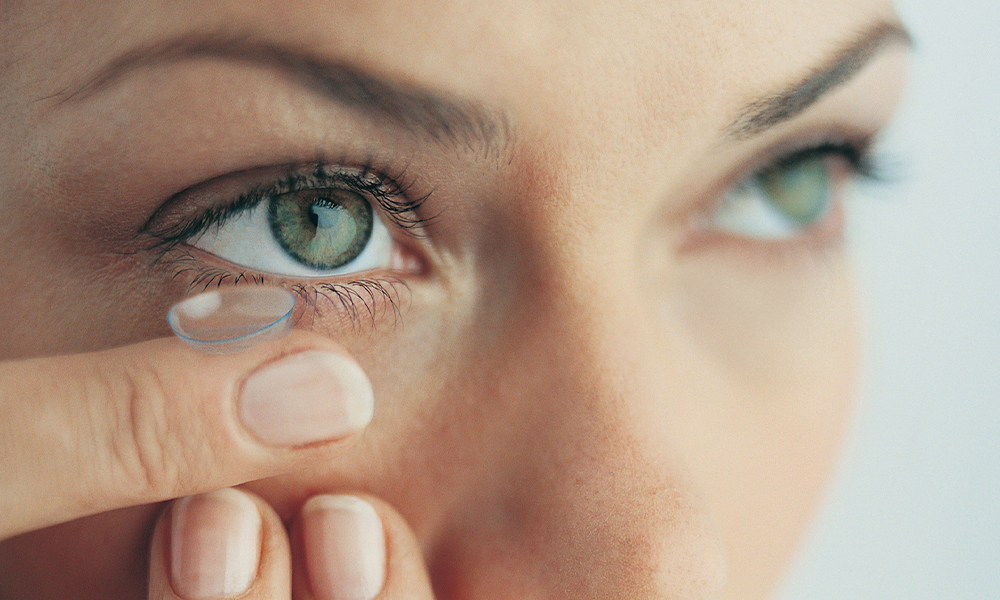
Is it really safe to clean contact lenses with water? And can they actually freeze in cold weather? To put your mind at rest — and finally get to the truth — we’ve rounded up the 12 most common myths about contact lenses.
Myth: If water is clean enough to drink, it’s safe to clean my lenses with

While it may be perfectly safe to drink, tap water contains amoebae and bacteria that can be harmful to your eyes. The same applies to bottled water. That’s why eye care professionals recommend removing your lenses before swimming or showering.
Remember: contact lens solutions are specifically designed to clean and disinfect your lenses — something that water simply cannot and should not do. Keep your lenses clean by using proper cleaning, storage and disinfection solutions.
Myth: Contact lenses freeze in cold weather

Contact lenses will not freeze, even at temperatures as low as -60°C (phew!). Experiments were carried out back in the 1980s to confirm this was a myth, and the materials used to make lenses have only improved since then. You may experience dryness or discomfort in cold winter weather, but this can be relieved with eye drops or artificial tears. If discomfort persists, speak to your optician.
Myth: Wearing contact lenses causes eye problems

It is perfectly safe to wear contact lenses as long as you maintain good hygiene. Simply follow the instructions given to you by your optician and replace your lenses as recommended, and you should have no problems.
If you’d rather not worry about cleaning your lenses, you might consider switching to daily disposables. Just throw them away at the end of the day and start fresh each morning.
Myth: It’s not safe for people with diabetes to wear contact lenses
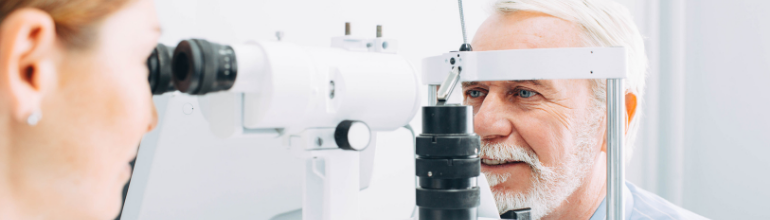
Many people with diabetes wear contact lenses safely, though some need to take extra precautions. Diabetes can slow the body’s ability to heal wounds and fight infections, and this includes the eyes. It is therefore even more important to maintain excellent lens hygiene and attend regular check-up appointments with your optician. Daily disposables are generally a safe option, but your optician will be able to recommend the best type of lens to keep your eyes healthy.
Myth: Contact lenses can get lost behind your eye

In short — it simply isn’t possible. The conjunctiva (a thin membrane) lines the inside of your eyelid and folds back over the sclera (the white of the eye), creating a barrier. This means there is no way for a dislodged lens to travel to the back of the eye or round the sides.
Myth: Contact lenses are too uncomfortable

Today’s contact lenses are designed to be as comfortable as possible. Early lenses may have been uncomfortable for some wearers. But instead of being made from glass or hard plastic, modern lenses use advanced materials such as silicone hydrogel. This allows oxygen to reach the eye, nourishing the cornea and surrounding tissue. For most contact lens wearers, you barely notice they’re there.
Myth: Contact lenses require too much maintenance

Looking after your contact lenses isn’t as complicated as you might think. Modern lenses are easy to clean and care for, and your optician can advise you on the best approach. If you choose daily disposable lenses, there is absolutely no cleaning or storage required. Simple!
Myth: I can’t wear contact lenses if I have astigmatism

Today’s contact lenses cater for many different eye conditions, including astigmatism. This can be corrected with a wide range of toric lenses (specially designed for the purpose). There are daily disposable toric lenses for astigmatism, as well as monthly lenses, so you can choose what suits you best.
Myth: Buying contact lenses online makes eye infections more likely
There is no difference between contact lenses bought online and those bought in an optician, provided you purchase from a reputable supplier. Whether you buy in-store or from an online contact lens retailer, it is important to visit an eye care professional regularly.
Myth: Contact lenses will fall out of my eyes

Older lens designs were made from rigid materials, which made it more likely for a lens to fall out during intensive activities like sport. Modern contact lenses are designed to conform to the natural shape of the eye, so it is very rare for them to fall out.
Myth: I’m too old for contact lenses

There is no upper age limit for wearing contact lenses. Today’s lenses can be varifocal or bifocal, meaning they are available for people who need different prescriptions for different distances and for reading. If you have specific needs, ask your optician which lenses are best suited to your eyes.
The same goes at the younger end of the age range. A patient’s maturity and ability are taken into account when deciding whether contact lenses are a good option for younger wearers. Daily disposables require no special storage or cleaning, making them ideal for younger patients. That said, modern monthly lenses are also much simpler to clean and store than they once were.
Myth: Contact lenses are too expensive
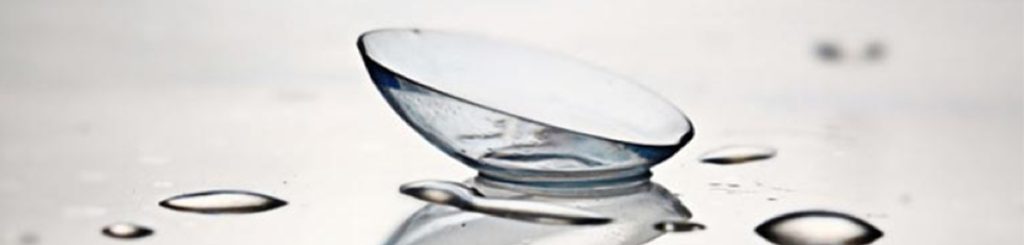
Contact lenses are no longer a major expense, and buying online makes them more affordable than ever. You can get daily disposable lenses — once considered a premium option — for less than €1 a day.
To see just how easy it is to order online, take a look at our website.