
At Lenstore, we believe an eye test does more than just check how well you can see – it also protects your eye health and vision in the long term.
To make it easier for you to book your next appointment, here is all the information you need about the checks available and why you need them.
3 simple reasons why regular eye examinations matter:
- Seeing well means a better quality of life. Good vision allows us to learn, work, and interact fully with the world around us.
- An eye examination can immediately reveal early signs of silent eye conditions such as glaucoma, age-related macular degeneration, and cataracts. The sooner a problem is identified, the greater the chance of successful treatment.
- Eye examinations can also detect signs of other health conditions, such as diabetes, high blood pressure, and cardiovascular disease.
What happens during an eye examination?
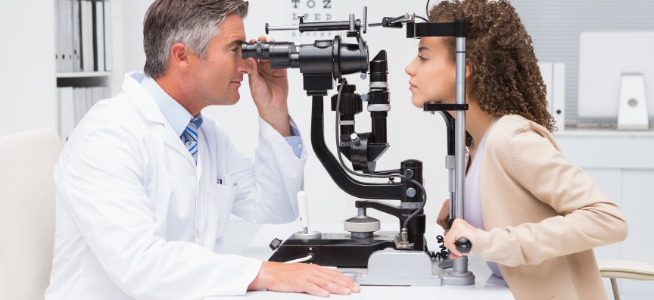
A routine eye test typically lasts around 20 minutes and begins with a health assessment of the eyes, followed by an optometric examination. You’ll be guided through your appointment from start to finish, but here’s an overview of what to expect.
The eye health assessment includes:
- Review of your current glasses or contact lens prescription.
- Tonometry uses a quick puff of air to measure the pressure inside the eye. Elevated pressure can indicate glaucoma.
- Auto-refraction checks your eye’s focus and provides an approximate prescription.
- Fundus examination allows the optician to assess the health of the retina.
- OCT scan can detect even the most minor changes in the structure of the eye and identify eye conditions before symptoms appear.
Once these tests are complete, you’ll meet with the optometrist for:
- Eye health history. A brief chat about your medical history, family history, and any concerns you may have.
- Letter chart. The familiar chart that checks the accuracy of your vision.
- Eye muscle test. Your optician will observe your eyes as they follow a moving object.
If you wear contact lenses or glasses, remember to bring them to your appointment. Your optometrist will confirm whether your current prescription is still the most suitable.
How often should I have an eye examination?
Even if you have perfect vision, it’s best to have an eye test every one to two years, depending on your age and medical history. Patients over 65 are generally advised to have an annual eye test.
Do I need a contact lens fitting before wearing lenses?
We always recommend having an eye examination before trying contact lenses for the first time, to ensure they fit correctly and are suitable for your eyes.
Contact lens fitting: how does it work?
It takes around 30 minutes and generally involves:
- A discussion about the different types of contact lenses (daily, fortnightly, and monthly) and which are most suitable for you
- An eye health and vision check
- Guidance on how to wear and care for your lenses
- A trial fitting of your contact lenses in the practice
Ongoing contact lens aftercare
After wearing your lenses for a while, you’ll be asked to book an annual aftercare appointment. Like regular eye tests, routine aftercare plays an important role in ensuring your eyes stay healthy and your vision remains clear and comfortable.