

If you have difficulty seeing things in the distance, like road signs when driving, you may be short-sighted. It is thought that this visual condition affects around a third of the population in the UK; put simply, these are people who struggle to see clearly at a distance.
So, what is myopia?
Myopia is usually caused when the eye has grown to a length greater than average (23 mm). Because of this increased length, incoming light doesn’t reach the correct parts of the retina, which causes objects in the distance to appear blurry.
You may have no difficulty with close-up tasks like reading a book, but you’ll struggle to see things that aren’t within easy reach.
If your prescription shows a negative spherical lens (usually the first number on the prescription), this means you are short-sighted or myopic. The higher the number, the more severe the myopia.
What are the symptoms of myopia?
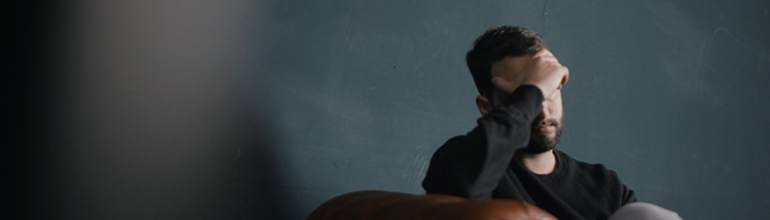
As well as difficulty seeing at a distance, myopia can cause eye strain and headaches, and you may find yourself squinting excessively to focus properly.
Myopia can develop from around the age of six and may worsen progressively during adolescence. If you notice your child rubbing their eyes regularly, needing to sit close to the television, or complaining of tired eyes, it’s probably time to book them in for an eye test.
Can it be treated?
Fortunately, myopia can be treated with glasses, contact lenses or laser eye surgery.
If you are found to have only a mild case of myopia, you may only need to wear vision correction for certain activities, such as playing golf.
Why is it so common?
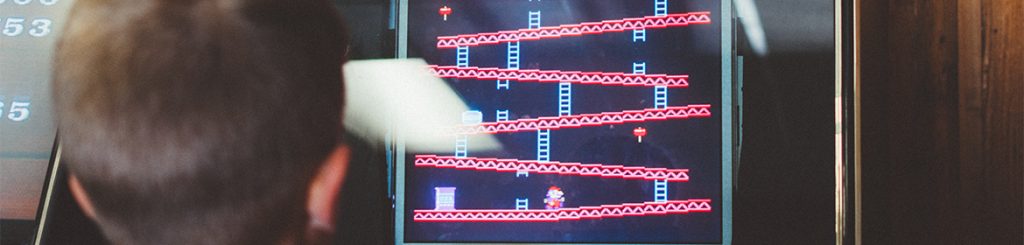
While the exact reason why the eye grows to an excessive length isn’t fully understood, researchers have been studying the causes behind the rise in myopia cases and have identified several contributing factors, including genetics, our body clock, and environment.
Donald Mutti of the Ohio State University College of Optometry conducted a study on the ‘rapid increase of myopia’. He observed more than 500 children aged eight and nine who started with healthy vision. After five years, Donald and his colleagues found that one in five children who developed myopia had spent less time outdoors than those who didn’t. This was supported by another study of over 4,000 school-age children in Sydney, Australia.
In today’s world, we spend a lot of time reading e-books, working in front of a computer screen, and scrolling on our phones. Using electronic devices close to the eyes is thought to contribute to the development of myopia, so it’s advisable to give your eyes a rest by frequently taking breaks from reading, screen time, and close-up work. Time for a digital detox!
If you think you or your child might be short-sighted, make an appointment with an optician. A simple eye test can diagnose myopia, and before long you’ll be back to enjoying clear vision.