
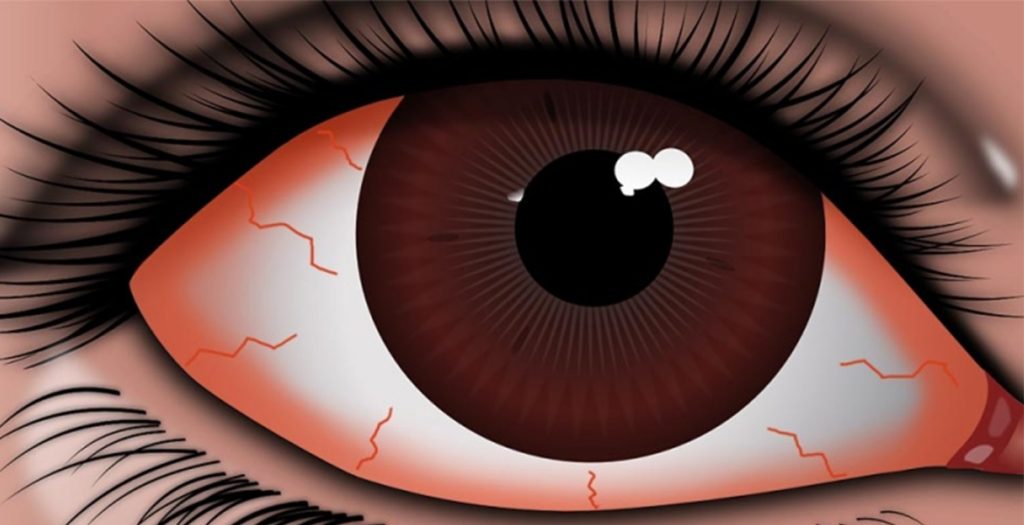
Did you wake up this morning with sticky eyelids? You might have conjunctivitis.
And what on earth is that, you ask? It is a common condition involving inflammation of the conjunctiva (a thin membrane that lightly covers the whites of the eyes and the inside of the eyelids) in which the eyes typically appear pinkish.
What causes it?
This condition is usually caused by an allergy, such as a dust allergy, or a bacterial infection. The three most common types of conjunctivitis are bacterial, allergic and viral.
Bacterial
This form of conjunctivitis usually affects both eyes, and if you contract it you are likely to experience redness, sticky eyelids and a gritty, irritating sensation. It is highly contagious and can spread easily, so it is best to practise good hygiene, avoid close contact with others and try not to share hand towels.
Allergic

Triggered by allergens such as pollen, dust or pet dander, this type of conjunctivitis can be seasonal, though some people may experience it at any time of year. It is more common in those who already suffer from allergic conditions such as asthma or hay fever. You will likely have red, itchy eyes.
Unlike the bacterial and viral forms, this type of conjunctivitis cannot be passed from person to person.
Viral
As the name suggests, this type of conjunctivitis is caused by various different viruses. The adenovirus, which is commonly responsible for the typical cold, is the most common virus causing viral conjunctivitis.
Like the bacterial form, this conjunctivitis is extremely contagious. It can spread through sneezing, coughing and contact with other people.
However, this is a stealthy form of conjunctivitis as it can present with flu-like symptoms (e.g. sore throat) and in some cases can cause a corneal infection.
If you have viral conjunctivitis you will likely notice redness and excessive tearing in your eyes, along with sensitivity to light and discomfort. Your eyelids may be slightly swollen, and if the infection has reached the cornea, your vision may be blurred.
Can it be treated?
Bacterial conjunctivitis usually clears up within a week without any treatment. In some cases you may need antibiotics (though not for the viral form). Viruses do not respond well to antibiotics, and in most cases resolve on their own without treatment.
You can relieve symptoms with eye drops or ointments. Antihistamine drops can also help with allergic conjunctivitis, but the best approach is to stay away from the allergen causing the problem.
Risk factors
You are more likely to be at risk of contracting infectious conjunctivitis (bacterial or viral) if:
- You have recently had a cold.
- You are experiencing blepharitis.
- You have a weakened immune system.
- You have been in close contact with someone who has it.
Tips

Two of the common forms of conjunctivitis are highly contagious, so it is important to wash and dry your hands thoroughly. It is best to avoid sharing towels and pillowcases with someone who has the infection. Try not to rub or touch your eyes while you have the infection, and if you do, make sure to clean all surfaces you touch.
Needless to say, when you have conjunctivitis it is probably best to avoid wearing contact lenses; we recommend visiting your optician to identify what type of conjunctivitis you have so they can recommend the best treatment.