

Self-care is about much more than a day at the spa. It’s about the small things you can do to feel your best, inside and out – and it matters all year round, especially during the darker, busier months.
Read on to discover 8 ways to look after yourself at home, whether you have plenty of time or just a few minutes to spare.
Create a daily routine
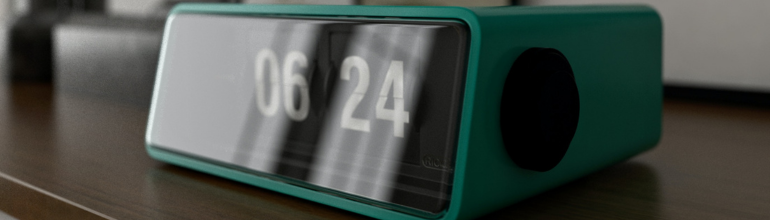
Some studies have shown that routines play an important role in mental health, especially during times of uncertainty. A good starting point is setting regular times for going to bed, waking up, eating, and exercising – a consistent bedtime is one of the simplest ways to improve sleep quality. Part of your self-care strategy should include ways of building these routines into your day – whether that’s a morning meditation, a quiet cup of tea, or a relaxing bath after a long day.
If you wear contact lenses, make lens care part of your routine too – or switch to daily disposable lenses and skip the cleaning altogether.
Create a sanctuary at home
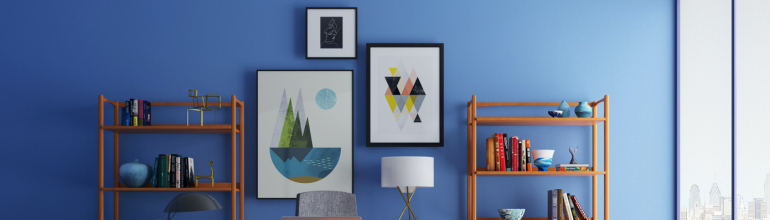
Your surroundings can have an enormous effect on your mood. Make a fresh start and fill your space with things that make you feel good – scented candles, a collection of houseplants, or new prints for the walls. Some research suggests that a cluttered home is linked to higher stress, so a tidy space may help you feel calmer. Even the smallest space can be transformed into your own little zen zone.
Pick up a new hobby

Hobbies offer a wealth of psychological benefits. Simply sitting down and switching off isn’t always easy – but hobbies give you a space to step away from responsibilities and packed schedules, while also providing a sense of purpose and achievement. Better still, hobbies can help reduce stress, lift your mood and keep your mind sharp. Whether your hobby is creative, academic, or physical, what matters is that you enjoy it and find it meaningful. Need ideas? Here are four ways to travel from home.
Listen to music

The calming power of music is well established. Studies have shown that music can boost positivity, slow heart rate, lower blood pressure, and reduce stress hormones. One of the great things about music as a stress reliever is how easily you can weave it into your daily routine. Use a portable speaker in the shower, put on your favourite playlist while walking the dog, or have a little dance while you’re making dinner.
Eat well
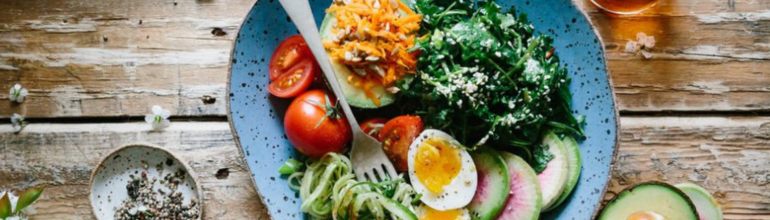
Eating a balanced diet is key to keeping both body and mind healthy. Swap sugary snacks – which can cause blood sugar to spike – for healthier alternatives like avocado on wholegrain toast, Greek yoghurt with blueberries, or a handful of almonds. Some research suggests that foods such as citrus fruits, dark chocolate, avocados and high-fibre foods may help your body manage stress.
A healthy diet also contributes to your eye health. Our range of eye vitamins, including MacuShield, can help if your diet could do with a little more lutein and zeaxanthin.
Read a book
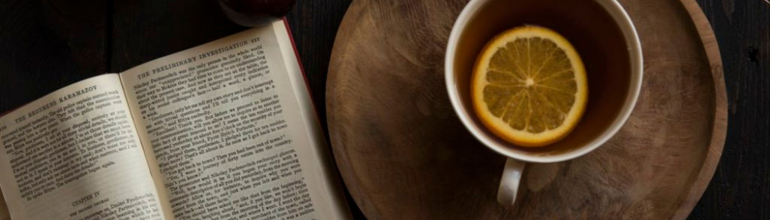
Many studies have found that reading slows your heart rate, eases muscle tension, and gives your eyes a much-needed break from digital screens. Swap your morning social media scroll for a book or podcast that inspires you – and find out what your eyes are doing as you read between the lines.
Get outside

No matter how busy you are, make it a habit to lace up your shoes and get some fresh air. Even a 20-minute walk outdoors can help lower your heart rate, ease fatigue and improve your mental health. It can also help you sleep better – especially when combined with physical activity. A wellbeing win-win! Try these creative ways to beat your daily step goal, or read our 6 reasons to spend time outdoors this autumn.
Switch off in the evenings

Some studies suggest that social media doesn’t always have the desired effect of bringing people together – and can instead leave us feeling lonely and anxious. Taking a break from social media, even for short periods, can help reduce feelings of anxiety and isolation. The same goes for work emails. A useful tip is to turn off all notifications after working hours, or leave your phone in another room. For a fresh start to the new season, try our autumn reset tips.