

We all know the sun’s rays are harmful to our skin. But they don’t just damage our skin — they can damage our eyes too.
Exposure to UV radiation from sunlight (and from artificial sources) has been strongly linked to a wide range of eye conditions. These include cataracts, macular degeneration, and skin cancer around the eye.
What is UV radiation?
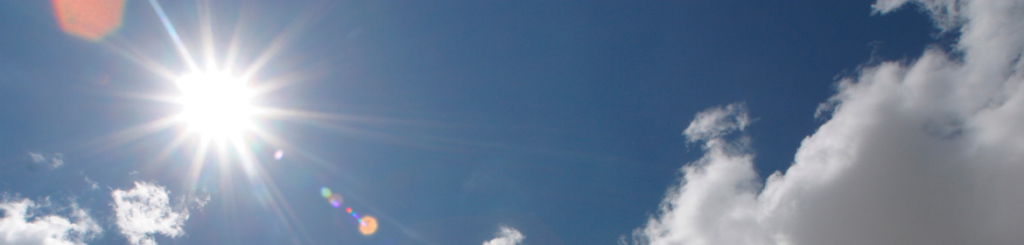
Ultraviolet rays are a type of light produced by the sun that is invisible to the human eye. UV wavelengths are divided into three types: UVA, UVB, and UVC.
Most of the UVC from sunlight is absorbed by the ozone layer, preventing it from reaching the Earth’s surface. UVA and UVB rays, however, are able to fully penetrate the atmosphere, with UVA accounting for around 95% of all UV rays.
Excessive exposure to UV rays can damage the front surface of the eye in a similar way to how sunburn damages skin. Without proper precautions, these rays can also have further harmful effects that develop over time.
Excessive UV exposure can lead to one or more of the following eye conditions:
- Cataracts: the lens of the eye can become cloudy, severely impairing normal vision.
- Skin tumours around the eyelids: skin cancer around the eye most commonly develops as lesions around the lower eyelid, but can also appear on the upper eyelid or in the corner of the eye.
- Pterygium: a non-cancerous growth can develop at the corner of the eye, which may obstruct the cornea and therefore vision.
- Keratitis: a very painful (though generally temporary) burning sensation in the cornea. Commonly associated with not wearing sunglasses in areas with a lot of reflected sunlight, such as the beach or snowy regions.

How to choose sunglasses
There are a number of precautions you can take to protect yourself from sun exposure. The easiest is to wear sunglasses outdoors. When choosing your sunglasses, consider the following for your eye safety:
UV-blocking lenses: always choose a pair that blocks 99–100% of UVA and UVB light. Also check that they block HEV light.
Wraparound styles: wide, close-fitting frames are ideal for sun protection. Larger lenses also help to block more sunlight.
Polarised lenses: polarised lenses help to reduce glare, which can help prevent headaches or migraines associated with light exposure.
Durability: it’s usually worth spending a bit more on sunglasses with a quality frame. A broken pair of sunglasses is no way to protect your eyes.
What about contact lenses?
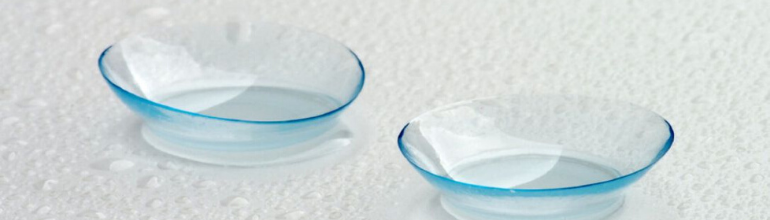
Did you know that many contact lenses also have filters to protect your eyes from harmful sun rays? They are classified according to two levels of protection, indicated by the percentage of UV rays they can block:
Class 1: Blocks 90% of UVA rays and 99% of UVB rays.
Class 2: Blocks 70% of UVA rays and 95% of UVB rays.
To choose the right UV-protective lenses for you, always ask your optician for advice.
Sun protection
As well as sunglasses, there are other things to keep in mind when protecting your eyes from the sun:
Wear a hat: if you’re heading outside on a sunny day, it’s a good idea to wear a hat with a wide brim to help shield yourself from the sun.
Don’t look at the sun: never look directly at the sun, even if it doesn’t seem harmful to your eyes. It can be tempting to watch a solar eclipse, for example, but it can cause permanent damage to the retina.
Clouds don’t protect you: a cloudy day doesn’t mean there’s no danger to your eyes. UV rays from the sun can penetrate haze and thin cloud cover.